

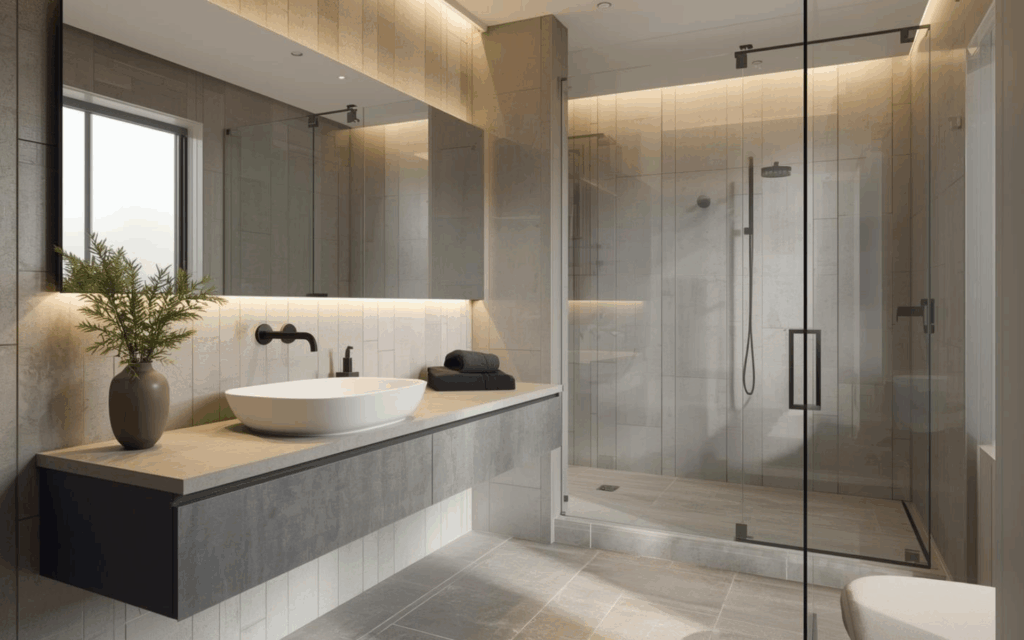
Stepping into a dated, cramped shower every morning isn’t exactly the way you want to start your day. If your shower feels like an afterthought rather than a retreat, it’s probably time for a change. A well-planned shower remodel doesn’t just improve how your bathroom looks. It transforms one of the most-used spaces in your home into something you actually enjoy using.
Not all kitchen and bath renovations deliver the same value. Some homeowners spend thousands only to end up with a space that still doesn’t quite work. Others make smart choices that maximize their investment while creating a shower that checks all the boxes. Let’s break down the shower remodeling tips that’ll help you land in that second category.
Figure Out What You Actually Need First
Before you start browsing tile options or fancy showerheads, get clear on what problems you’re trying to solve. Your shower remodel should address real issues, not just chase trends.
Walk through your current shower routine and note what frustrates you. Not enough elbow room? Poor water pressure? Mold growing in grout lines? Lack of storage for bottles and toiletries? Each problem points to specific solutions that should guide your design decisions.
Think about who uses this shower, too. A family bathroom with kids needs different features than a master suite. Accessibility matters if you’re planning to age in place or have mobility concerns. Identifying these needs upfront prevents expensive changes mid-project.
Set a Realistic Budget (And Stick to It)
Shower remodeling tips always start with money talk because costs can spiral quickly if you’re not careful. Knowing your numbers from the beginning keeps the project on track.
Break your budget into categories: labor, materials, fixtures, and a contingency fund for surprises. Expect to allocate about 20% for unexpected issues like hidden water damage or outdated plumbing that needs upgrading.
According to Angi, the average shower remodel costs between $3,000 and $10,000, depending on size, materials, and whether you’re doing a simple refresh or complete overhaul.
Decide what matters most to you and spend accordingly. If a rain showerhead is non-negotiable, maybe you can compromise on tile choices. If custom glass doors are your priority, perhaps standard fixtures work fine. Every project involves trade-offs when working within a budget.
Choose Your Shower Remodel Type Wisely
Your space and lifestyle should dictate what kind of shower makes sense. Each type comes with its own advantages and price points.
Walk-In Showers
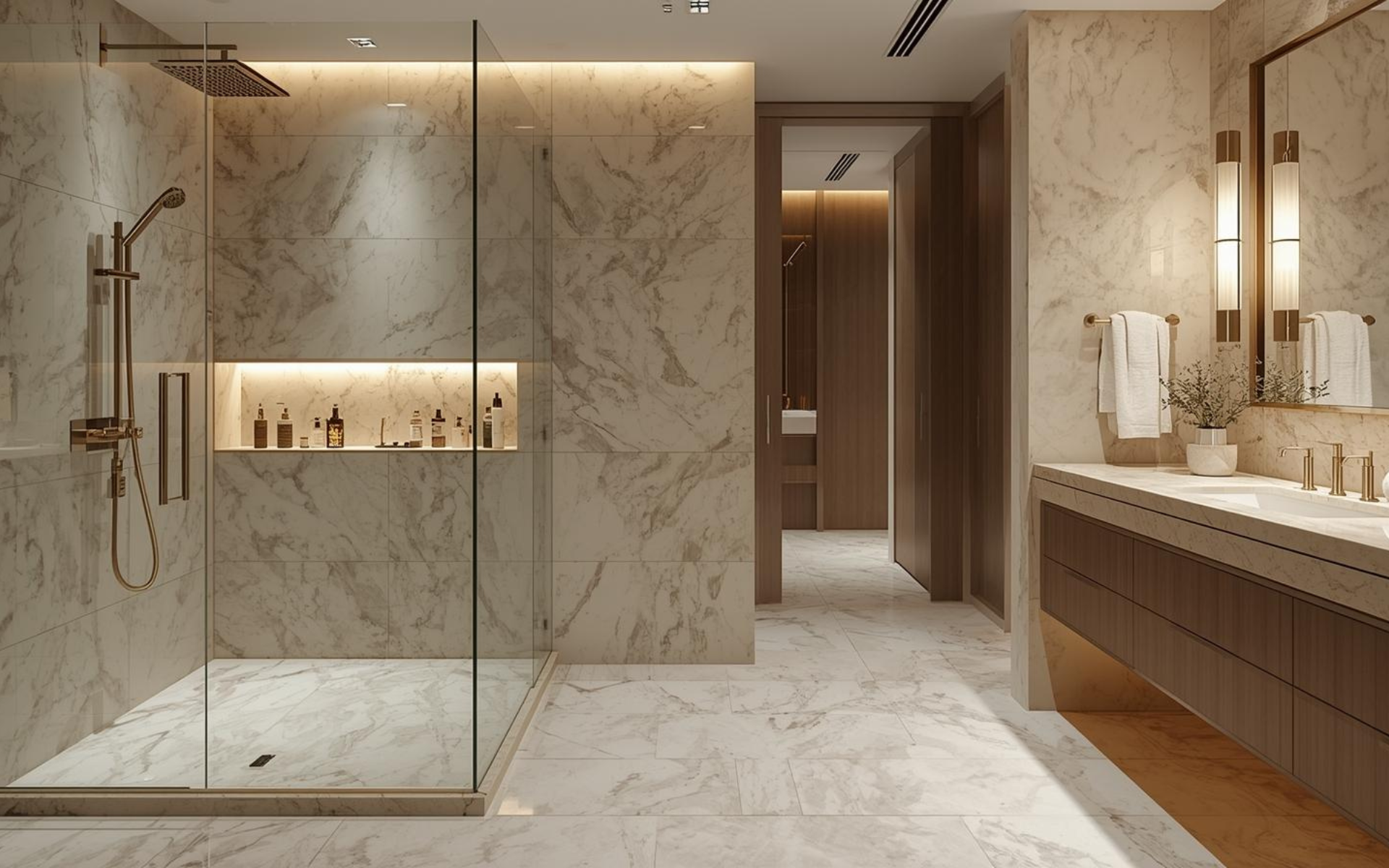
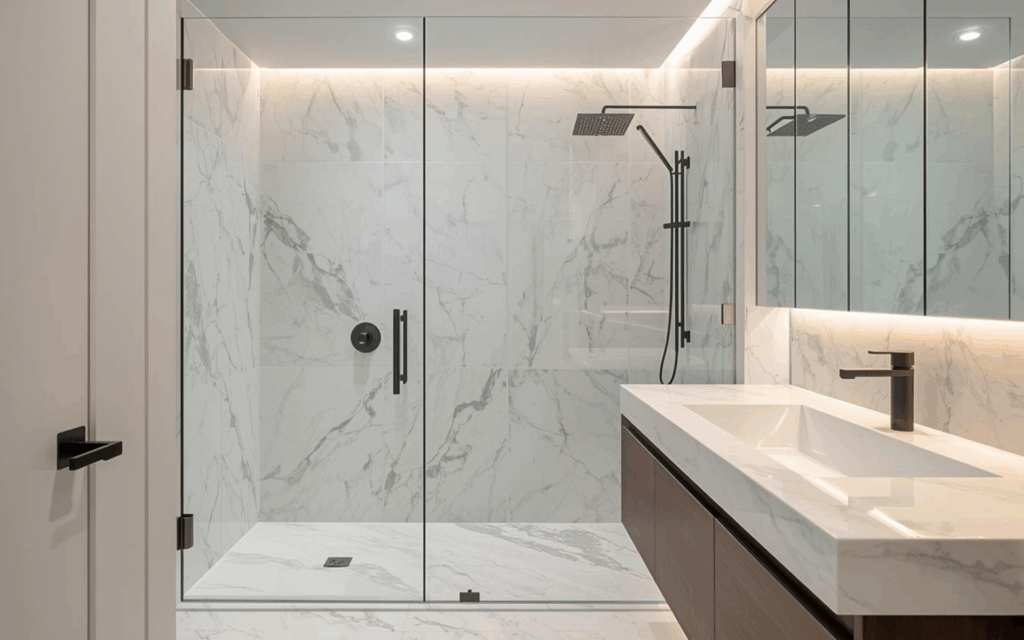
Walk-in designs create an open, spa-like feel that works beautifully in modern bathrooms. They’re accessible, easy to clean, and make small bathroom spaces feel larger. You’ll need proper drainage and often a larger footprint to avoid water splashing outside the shower area.
Shower-Tub Combos
If you have kids or like soaking in a tub occasionally, keeping the combo makes sense. You can still upgrade everything without losing that functionality. Just know that tub-shower combinations require more tile work and waterproofing around the tub deck.
Corner and Neo-Angle Showers
These space-savers work great when you’re tight on square footage. They maximize corner space that might otherwise go unused. Corner units come in various sizes and can include built-in seats or shelving.
Curbless Shower Remodel
Curbless or barrier-free designs eliminate the step into the shower, creating seamless transitions that look sleek and improve accessibility. They require careful floor sloping for drainage and may need additional waterproofing, which adds to costs.
Invest in Quality Waterproofing
This isn’t the place to cut corners. Proper waterproofing protects your investment and prevents catastrophic damage down the road.
Use a waterproof membrane system on walls and floors before tile installation. Products like Schluter, Wedi, or RedGard create barriers that stop moisture from reaching the structure behind your beautiful finishes.
Pay special attention to corners, seams, and areas around fixtures. These spots are most vulnerable to water intrusion. Your contractor should overlap membrane material at all joints and seal penetrations carefully.
According to HGTV, investing in professional-grade waterproofing systems adds minimal cost to your project but provides massive protection against water damage that could cost tens of thousands to repair.
Select Tile That Works for Your Space and Maintenance Style
Tile choices impact both aesthetics and long-term upkeep. Pick materials that match how much maintenance you’re willing to do.
Porcelain and Ceramic Tile
These remain popular for good reason. They’re durable, water-resistant, come in endless styles, and fit most budgets. Large-format tiles (12×24 or bigger) mean fewer grout lines to clean and maintain. Rectified edges create tighter grout lines that look more polished.
Natural Stone
Marble, granite, and slate bring natural beauty but require more maintenance. Stone needs sealing regularly to prevent staining and water absorption. It costs more upfront and demands ongoing care, but the look is hard to replicate with other materials.
Glass Tile
Glass creates stunning accent walls or borders. It reflects light beautifully, making spaces feel brighter. Glass doesn’t absorb water, resists stains, and cleans easily. Just know it shows water spots more readily than other materials.
Subway Tile
This classic never goes out of style. It works in traditional and contemporary designs, costs less than many options, and provides a clean backdrop that won’t feel dated in five years.
Upgrade Your Fixtures and Features Thoughtfully
Fixtures make or break the daily experience of using your shower. Splurge here where it matters to you, save where it doesn’t.
Showerheads and Body Sprays
Rain showerheads deliver that luxury spa feeling. Handheld options add versatility for rinsing, cleaning, and accessibility. Body sprays create a full-surround experience but increase water usage and plumbing complexity. Thermostatic valves maintain a consistent temperature and prevent scalding.
Shower Valves and Controls
Digital controls let you preset temperatures and even save preferences for different users. Pressure-balancing valves prevent temperature shocks when someone flushes a toilet. These aren’t just fancy upgrades. They improve safety and comfort.
Built-In Storage
Recessed niches eliminate clunky caddies and keep products within reach. Plan for at least one large niche (12×24 or bigger) positioned at a comfortable height. Multiple smaller niches work too if you have the wall depth. Corners can accommodate triangle shelves for extra storage.
Seating Options
Built-in benches or fold-down seats add comfort and functionality. They’re essential for accessibility but also nice for leg-shaving, enjoying a steam shower, or just relaxing under the water.
Don’t Overlook Ventilation
Proper ventilation extends the life of your shower remodel by controlling moisture and preventing mold growth. Install an appropriately sized exhaust fan rated for your bathroom’s square footage. Fans should run during showers and for 20-30 minutes after. Timer switches or humidity-sensing models take the guesswork out of this.
Position the fan to pull moisture-laden air out effectively. It should be as close to the shower as possible while following code requirements. Duct it properly to the outside, never into an attic or wall cavity.
Consider a fan with a built-in light or heater for added functionality. These combination units save ceiling space and provide multiple benefits from a single installation.
Get Your Lighting Right
Good lighting makes your shower safer and more enjoyable. Layers of light create the best results. The recessed ceiling lights rated for wet locations provide general illumination. LED options last longer and handle moisture better than traditional bulbs. Position lights to avoid casting shadows where you need to see.
Accent lighting adds ambiance. Strip lights under benches or in niches create a spa-like glow. Just make sure any decorative lighting is properly rated for wet environments.
Natural light transforms a shower when possible. Privacy glass blocks or strategically placed windows bring in daylight without sacrificing privacy. Skylights work beautifully in walk-in showers with the ceiling height to accommodate them.
Plan for Proper Drainage
Nothing ruins a nice shower faster than standing in ankle-deep water. Your drainage system needs to handle the water flow from your fixtures.
Linear drains have become popular in modern designs. They’re easier to slope toward, work well in curbless showers, and can handle higher water volumes than traditional center drains. They also look sleeker and more contemporary.
Traditional center drains still work fine if properly sized and positioned. Make sure the drain matches your showerhead’s flow rate. High-flow rain heads need larger drains to keep up.
Floor slope matters tremendously. Your shower floor should pitch about 1/4 inch per foot toward the drain. Too flat and water pools. Too steep, and it feels awkward to stand in.
Consider Accessibility and Future Needs
Even if you don’t need accessibility features now, thinking ahead makes sense. These additions often blend seamlessly into attractive designs.
Zero-Threshold Entry
Curbless showers eliminate tripping hazards and work for wheelchairs or walkers if needed later. They also look modern and make small bathroom spaces feel larger.
Grab Bars
Install blocking in walls during construction, even if you’re not adding grab bars yet. This lets you mount them securely later without major work. Many grab bars now come in attractive finishes that look like towel bars or design elements.
Handheld Showerheads
These add flexibility for everyone. They make rinsing easier, help with cleaning the shower, and provide accessibility benefits if mobility becomes limited.
Bench Seating
A built-in bench serves everyone well. It’s useful now and provides necessary support later if needed.
Make Your Investment Count With Expert Help
Ready to transform your shower into a space that actually adds value to your daily routine? At Onestop Kitchen and Bath, we specialize in creating showers that balance beauty, functionality, and long-term durability. We handle everything from initial design consultation through final installation. Our experience with shower and bath spaces means we know what works in real homes, not just in design magazines. We’ll help you navigate material choices, fixture selections, and layout decisions that fit your lifestyle and budget.
Looking for creative bathroom remodeling ideas? Check out our portfolio of completed projects. We’ve tackled everything from affordable updates to luxury renovations, always focusing on creating budget-friendly solutions that don’t sacrifice quality. Contact us today for a FREE consultation.