


Walking into a roomy closet feels luxurious. But what if your space is small? A small walk-in closet can be both a blessing and a challenge, offering just enough space to envision something beautiful but requiring clever planning to make every inch count.
Designing a small walk-in closet doesn’t have to feel overwhelming. Working with a kitchen and bath designer can help you pinpoint what matters most, from layout to finishing touches. Let’s explore the world of small walk-in closet design, where creativity and smart choices can turn even the tiniest footprint into a stylish and highly functional sanctuary.
How Big Is a “Small” Walk-In Closet?
Understanding small walk-in closet dimensions is the cornerstone of any smart design. There’s no one-size-fits-all, but many small walk-in closets begin around 4 × 8 feet, or roughly 4 feet deep by 8 feet long. The Spruce
If your space is narrower or oddly shaped, don’t worry. You can still design efficient storage by stacking vertically, using slim units, and choosing multipurpose fixtures. Your layout will adjust based on actual measurements. But knowing typical dimensions gives you a starting point.
Why Remodel a Small Walk-In Closet?
A cramped closet can feel chaotic. Chances are, you’ll pile things in, lose track of what you own, or waste time searching for that one shirt. Thoughtful small walk-in closet design solves these problems by optimizing space, bringing order, and making the most of every inch. When designed well, a small walk-in closet can feel like a boutique.
Improving your closet isn’t just about storage. It’s about creating a space that brings joy each morning. With the right layout, you’ll see your shoes, your handbags, and your favorite tops at a glance. That ease comes from planning and creativity, not just cramming more in.
The Essentials of Small Walk-In Closet Design
Stepping into the realm of small walk-in closet design means considering three main elements: layout, storage, and style. Each plays a vital role in turning a small closet into a space that feels open and organized rather than cramped and chaotic.
Assessing Your Space and Needs
The first step is always to look closely at what you have. Measure your closet’s length, width, and height. Standard small walk-in closet dimensions usually range from 4′ x 4′ to 6′ x 8′, but even smaller or irregular shapes can work with the right plan. Think about how you use your closet: Do you need more hanging space, a spot for shoes, or just a better way to display accessories?
Next, sort through your belongings. This decluttering step isn’t just practical. It’s liberating. Letting go of what you don’t need makes it easier to design a closet that truly serves you. Once you know what stays, you’ll get a clearer picture of the storage solutions that matter most.
Crafting the Perfect Layout
Even the smallest walk-in closet can benefit from a strategic layout. Focus on what you use every day and keep it within easy reach. Place less-used items up high or in corners. Mixing shelves, drawers, rods, baskets, cabinets, and small storage creates a flexible set-up that grows with your needs.
Some of the best small closet layout ideas involve using double hanging rods, adding corner shelves, or installing shallow drawers to hold jewelry and accessories. Vertical space is your friend. Don’t be afraid to go all the way up to the ceiling.
Layout Tricks: Best Small Closet Layout Ideas
Once you know your footprint, it’s time to design the flow. Here are some best small closet layout ideas to consider:
- Double-hang along the long walls. Install two rods on opposite walls. One lower and one higher to hang shirts, pants, and jackets.
- L-shape design. Use one wall for hanging, and the adjacent shorter wall for shelving or drawers.
- U-shape if space allows. This gives you more storage on three sides, but requires enough width so you can move around.
- Walk-through or “bow-tie” layout. If your closet has two entrances, you can create zones that are mirror images of each other.
Most experts recommend keeping 3 to 4 feet of clear floor space for comfort and accessibility. That way, you can step inside without feeling boxed in.
Small Walk-In Closet Design Styles and Creative Ideas
Ready to give your closet a personality of its own? Here are some of the best small walk-in closet ideas to get your imagination running.
Minimalist Elegance
Keeping things simple can have a huge payoff. Stick with one color for walls and shelving to create a seamless, open look. Choose sleek hardware and avoid overfilling the space. Minimalist creative closets focus on only what you love and need, making the room feel bigger and calmer.
Boutique-Inspired Closets
Ever wanted your closet to feel like your favorite store? Try glass-front cabinets or display shelves for shoes and bags. Use a small chandelier or stylish pendant lamp for a touch of luxury. According to HGTV, lighting is one of the simplest ways to transform a closet from basic to breathtaking.
Clever Built-Ins and Custom Closets
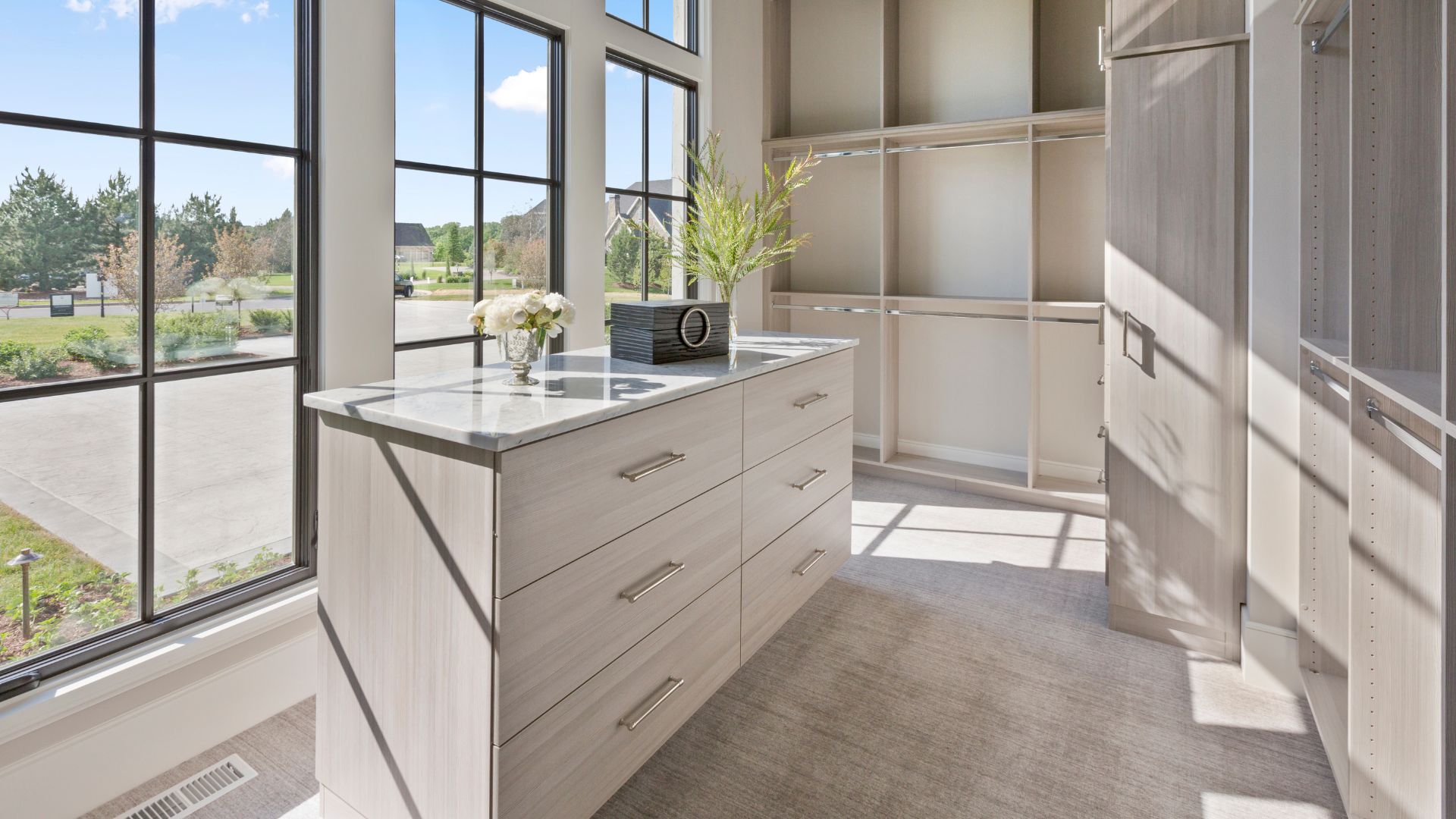
Custom solutions can take your closet to the next level. Built-in shelving, cubbies, and even a pull-out ironing board help you make the most of every inch. If you crave flexibility, consider adjustable shelving and rods that can move as your wardrobe changes. These custom closets cater to your exact needs, ensuring there’s a spot for everything. No more wasted corners or cluttered floors.
Don’t be afraid to play with materials. A mix of wood, metal, and glass can add interest without sacrificing cohesion. Labelled baskets and soft-close drawers bring both function and style. Mirrors on the back of the door or closet walls bounce light and make the space feel larger.
Storage Solutions That Maximize Space
Storage is king in any walk-in, but in a small one, you need to be strategic. Here are smart ways to maximize every square inch.
- Shelves: Floating or built-in shelves help you store folded items, hats, and boxes. High shelves (near the ceiling) are perfect for seasonal pieces.
- Drawers: Deep drawers are great for underwear, accessories, or bulky sweaters. Use full-extension glides for ease of access.
- Rods: Vary the height of hanging rods. Double-hang for shirts and pants, and single rods for longer garments.
- Baskets: Wire or woven baskets give you flexible storage for scarves, belts, or small items. Baskets can slide in and out for convenience.
- Cabinets: Closed cabinets help conceal clutter, especially for items you don’t use daily. Light-colored finishes can keep the space bright and airy.
When combined thoughtfully, these storage elements turn a cramped area into a highly functional system.
Style & Personality: Creative Closets and Decor Inspiration
A walk-in should feel like more than just a storage room. Let your personal style shine with creative closets and decor inspiration. Here are creative touches that elevate design:
- Paint or wallpaper: Choose a soft neutral or a bold accent wall. In small spaces, an unexpected print can make a big impact.
- Lighting: Install a flush-mounted ceiling light, or use LED strip lights under shelves for a boutique feel.
- Mirror: A full-length mirror visually expands the space and helps with outfit planning.
- Seating: If space permits, add a small ottoman or bench so you can sit while dressing.
- Accessories: Use decorative boxes, matching hangers, and coordinating bins to keep things tidy and cohesive.
These styling touches create a space that feels intentional and personalized, more than just a functional closet.
Comparing Walk-In vs. Reach-In Closets
If you’re deciding between a walk-in or reach-in closet, here’s how they compare:
- Reach-in closets are shallow and usually accessed via doors or curtains. They’re common in smaller bedrooms.
- Walk-ins give you room to step inside, circulate, and truly make use of built-in organization.
Though reach-in closets take up less square footage, they often lack flexibility. A well-designed small walk-in closet design gives you more storage, better visibility, and a space that feels like part of your routine.
Common Mistakes to Avoid
Even smart designs can go wrong without careful planning. Here are pitfalls to watch out for:
- Overcrowding: Filling every inch leaves no room for breathing or movement.
- Ignoring vertical space: Don’t forget the wall near the ceiling. It’s prime real estate for out-of-season storage.
- Poor lighting: If your closet is dark, it’ll feel cramped and underused.
- Mismatched finishes: Clashing hardware or cabinet styles can make a small space feel chaotic.
- No clear organization plan: Without a system for where things go, clutter builds fast.
With forethought, you can sidestep these issues and build a space that’s both functional and beautiful.
Maintaining Your Closet Over Time
Once your small walk-in closet design is in place, keeping it organized matters. Here are some maintenance tips:
- Rotate seasonal items: Use your top shelves for off-season clothes, and swap them out as seasons change.
- Use labels: Baskets and bins are great, but labeling them helps you remember what’s inside.
- Declutter regularly: Every few months, do a quick purge of things you haven’t worn.
- Clean: Dust open shelves and vacuum the floor so your closet stays fresh.
Little habits go a long way in preserving a neat, usable walk-in.
Bottom Line
A smart small walk-in closet design can elevate your daily routine, maximize your storage, and transform what once felt like a cramped space into your personal boutique. Thoughtful planning, the right layout, and a mix of shelves, drawers, rods, baskets, and cabinets create harmony and functionality. With a clear vision, you can draw from walk-in wardrobe ideas, get decor inspiration, and build stylish, creative closets suited to you.
If you’re ready to bring that vision to life, Onestop Kitchen and Bath is here to help. As a trusted remodeling company, we specialize in custom closets using high-quality brands like Fabuwood, Millcraft, Marsh, and more. Contact us today for a FREE consultation. Our team of experienced designers will help you achieve the best small walk-in closet ideas tailored to your space.